Two Miles. Four Hours.

Happy Wednesday, folks.
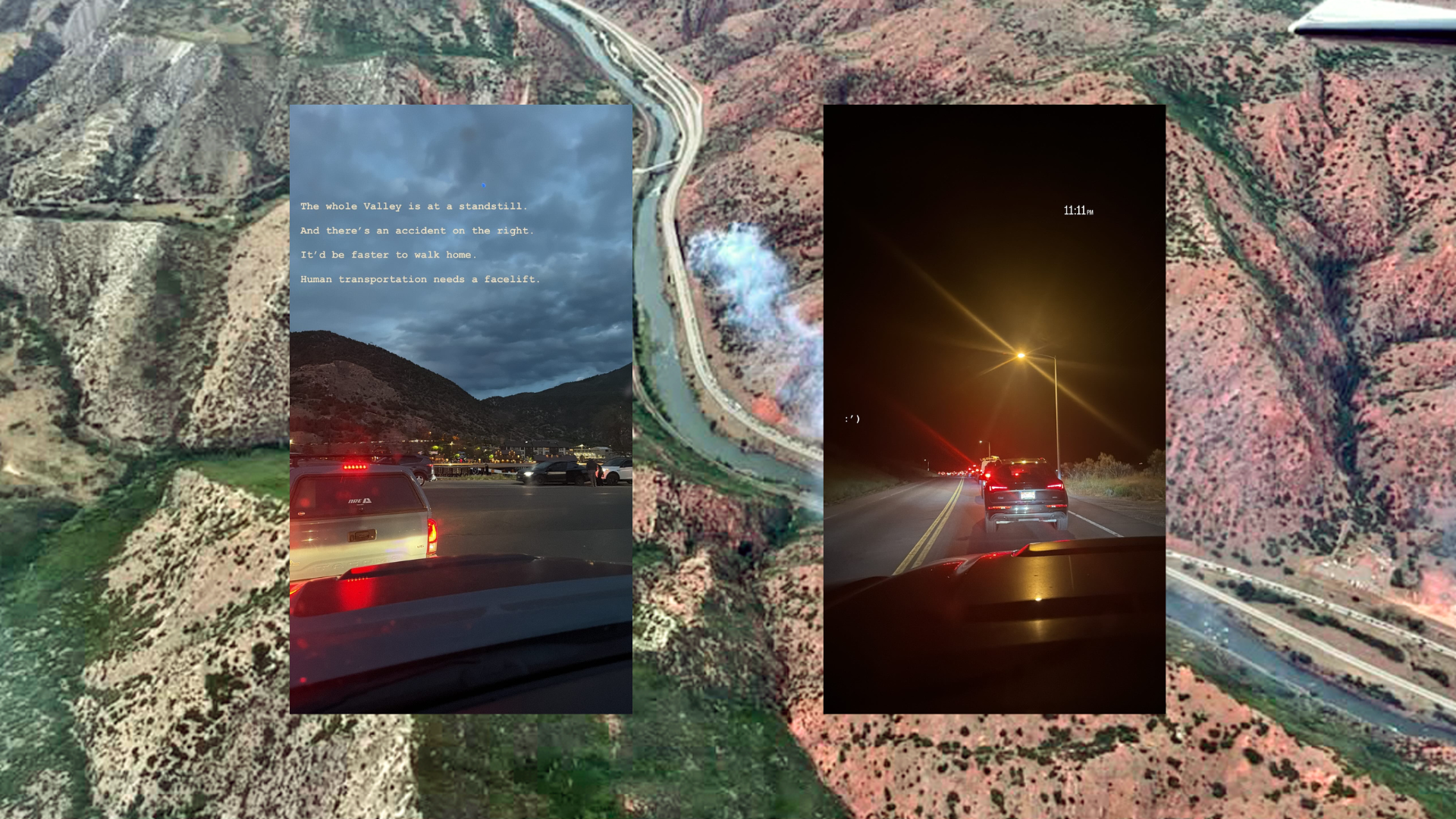
Last night I sat in four hours of traffic to travel two miles.
Read that again. Four hours. Two miles.
I-70 west of Glenwood Springs was shut down in both directions after a brush fire sparked along the westbound lanes at milepost 112, out in South Canyon.
They named it the Paradise Fire.
It lit up around 3 p.m., chewed through eight to ten acres of grass and brush in steep, rocky terrain, and held the interstate hostage until midnight.
And this is the part that matters: it's not a freak event.
We're in the heart of fire season now - and it's heating up.
Red flag warnings strung across western Colorado all week.
Hot, dry, windy - the exact recipe.
This stretch of canyon has been catching for days, and we're only getting started.
Fire season is here. It's not coming. It's here.
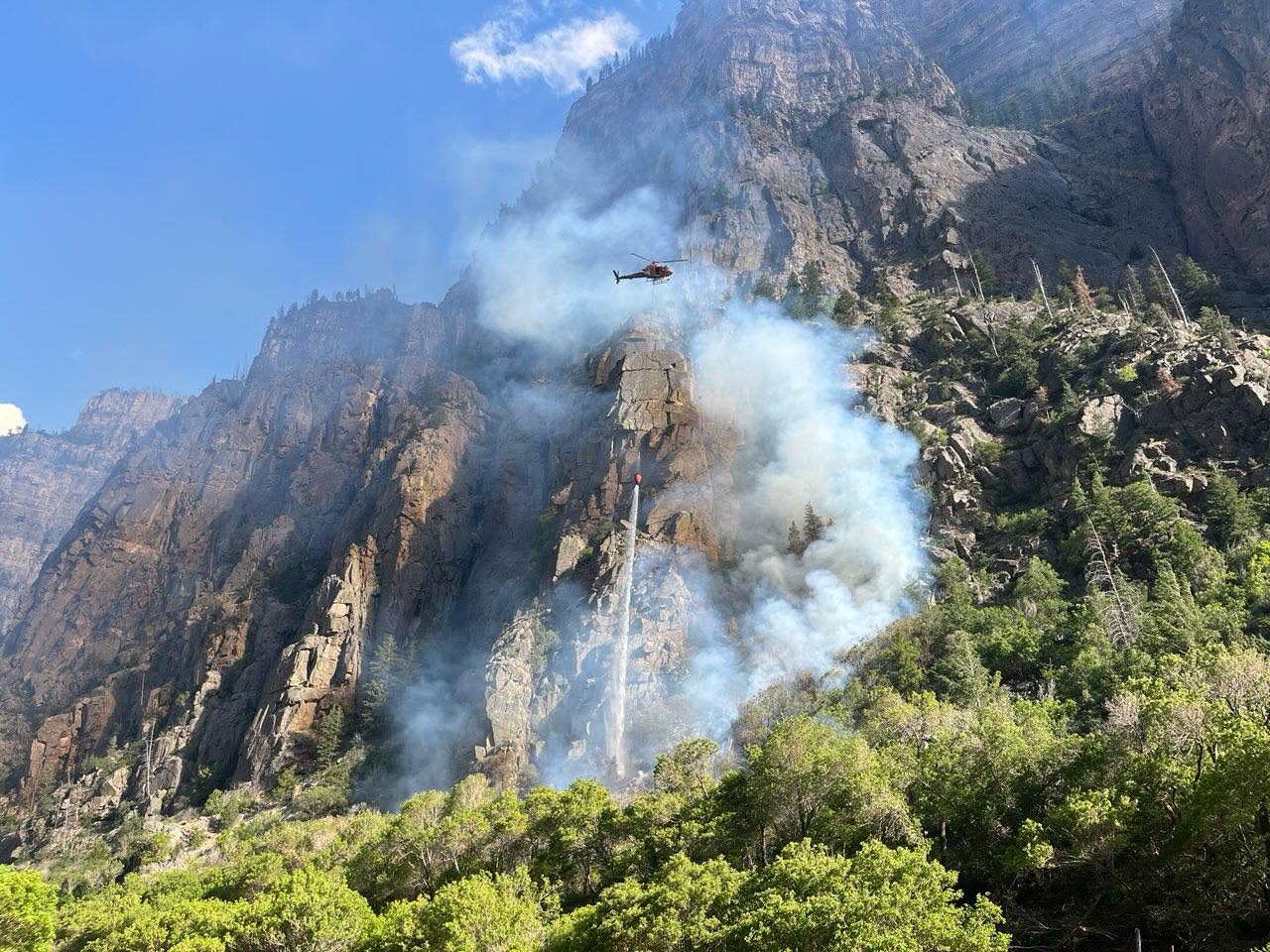
Forty-four firefighters on the line. Two helicopters dipping buckets out of the Colorado River. And two fixed-wing aircraft - en route to help.
Except the fixed-wing never flew.
The wind grounded them.
Sit with that, because it's the whole story. The moment a fire starts is the exact moment our air assets are least reliable - grounded by wind, blinded by smoke, waiting on daylight.
The window that decides whether a spark becomes a megafire is the same window we're worst equipped to fight in.
So I sat there. Bumper to bumper. Watching a ridge glow.
And I thought about how obvious the fix is.
The obvious unlock
Drones don't wait for the wind to behave.
Small, autonomous aircraft can launch from anywhere, fly low, and fly early - find the heat and hit it before it becomes a wall of flame.
Pinpoint the high-risk terrain. Cut response time. Multiply the crews we already have.
This isn't science fiction. It's a force multiplier.
The firefighters still run the show. The drones just give them something they've never had: persistent, round-the-clock reach over ground no human should be standing on.
How long does adoption take?
Here's the question that kept me company in that traffic: how long does it actually take fire departments to adopt new technology?
History isn't encouraging.
Take the thermal imaging camera - standard kit today. It took the fire service the better part of thirty years to get there.
Aerial use started in the 1970s.
Sporadic department use through the 1980s.
Broadly accessible only by the late 1990s.
Seattle's department bought its first one in 1997. Sixteen thousand dollars.
And even by 2017 - decades in - only about 70% of US departments had a single thermal imager on the fireground.
Thirty years. For a camera.
But here's the part that matters. Look at drones.
The LAFD flew its first at the 2017 Skirball fire.
By the end of 2018, more than 200 departments had integrated them.
The number doubled by 2020.
The FAA cleared its first beyond-visual-line-of-sight firefighting waiver in 2021.
The s-curve is accelerating. It always is.
So when does this become a national priority?
That's the real question. And the window keeps getting longer, the fuel drier, the starts more frequent.
In the United States, wildfires impose an estimated annual economic burden between $400B and $900B - and that's not just suppression.
It's destroyed homes, insurance losses, business interruptions, smoke-choked lungs, ecosystems gone.
At what point does a country that loses a major interstate to a ten-acre brush fire - with the whole season still ahead of us - decide that the first ten minutes matter most?
Enter Seneca (again)
Regular readers know I've been watching Seneca.
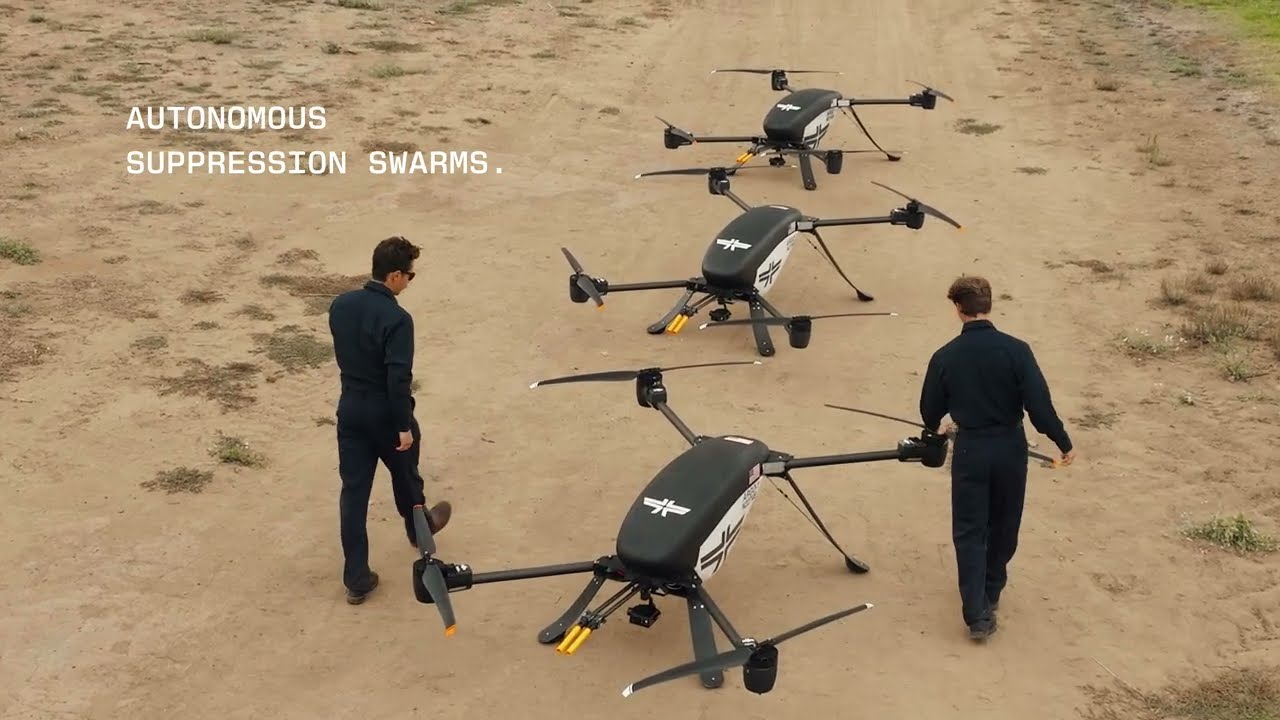
It's a resilience-technology company out of the San Francisco Bay area, building autonomous drones and AI-driven software to support firefighters and protect communities from wildfire.
Founded by Stuart Landesberg - yes, the same founder who built Grove Collaborative. Last October the company raised roughly $60M, one of the largest early-stage raises in fire-tech history.
The system is built for exactly the void I watched open up on that ridge.
Drones that carry 100+ pounds of suppressant, fire at 100+ PSI, navigate by AI and infrared, and aim to knock down a start in under ten minutes - launched from anywhere, before the helicopters can even spin up.
This isn’t theoretical - Seneca is already working with fire agencies in California and Colorado.
What I listened to while I sat there
Two podcasts got me through the standstill.
The first was an interview with Ondas ($ONDS) CEO Eric Brock on the Intelligent Infrastructure Podcast.
There’s even a snippet on drones in wildfire management.
Do yourself a favor and listen to the entire episode. It’s that good.
And the second was about sending tiny probes to nearby stars.
Interstellar Dreams Turn Real via Planetary Radio.
Admittedly this program was a bit over my head, but fascinating to hear what the World’s best + brightest are focused on.
Godspeed,
Riley Rosebee